
If you or someone you know is in crisis, please call or text 988, or visit 988Lifeline.org for immediate support.
September is Suicide Prevention and Awareness Month, but let’s be real. It is important to spread awareness year round. For one thing, suicide doesn’t happen only in September, it exists year round. Depression doesn’t just stop because it’s not September (or May, for Mental Health Awareness Month). No, it is a consistent problem. The National Alliance on Mental Illness (NAMI) reports 1 in 20 U.S. adults (5%) have serious thoughts of suicide each year. When you put that in the perspective of our population, that is just over 17 million people each year. 17 million people have THOUGHTS about suicide every year. That’s a chilling number. So, keep in mind that while we are making a push for resources and service availability for everyone, know that this work should continue throughout the year.
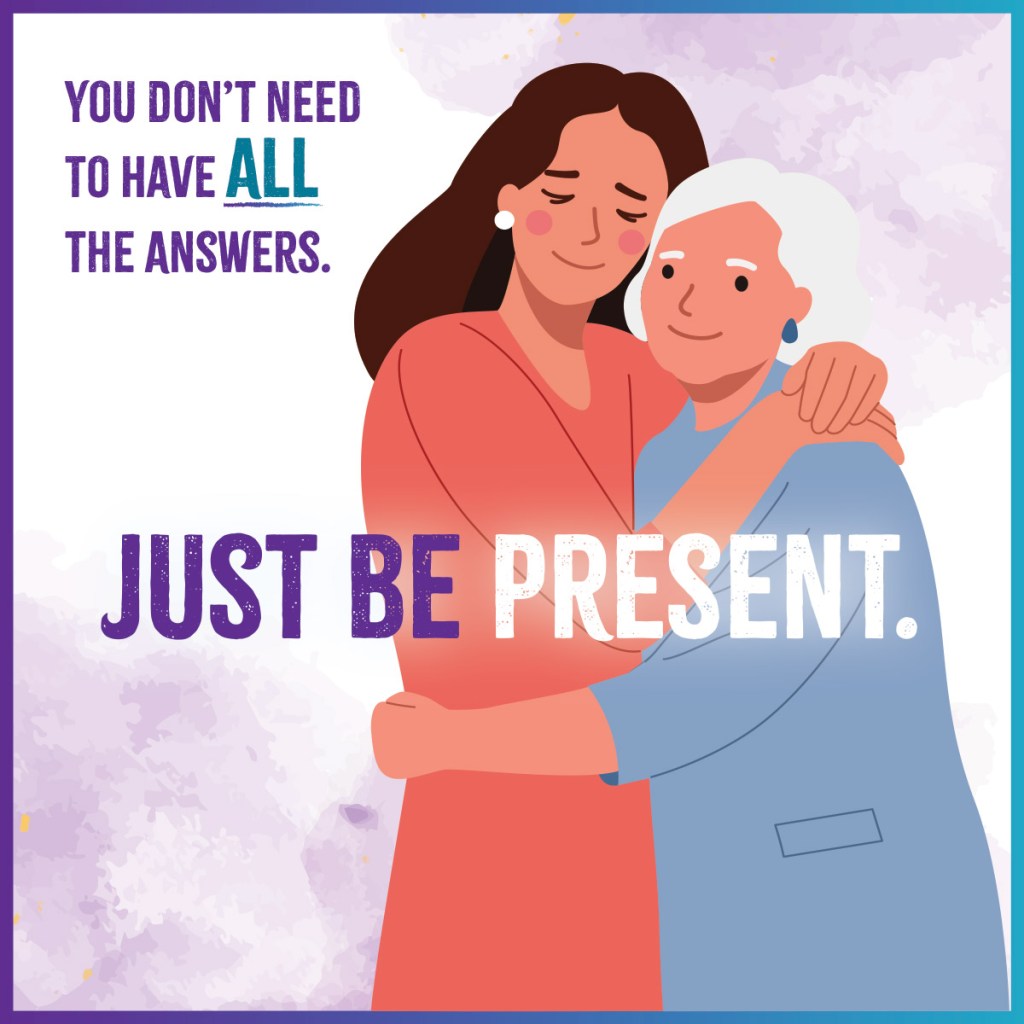
A colleague shared an interesting systematic review on trauma-informed care on suicidality, and while the results were not conclusive, they did highlight one aspect that I have fought and died on a hill for – outstanding bedside manner. As a survivor of attempted suicide myself, I can remember the shame, guilt, and embarrassment I felt when I woke up in the hospital after my attempted overdose. The bedside nurse who was tasked with my observation snickered and called me selfish as I woke up from my stupor. The feelings continued as I was escorted to the psych ward where my assigned physician continued to guilt me and judge me directly for testing positive for marijuana as well as trying to end my life. This was only the beginning of my mental health struggles that I faced between 2013 to 2019, exacerbated by other factors after I recovered from my attempted suicide. The moral of my story is that bedside manner probably isn’t the answer to cure people with suicidal ideations – but it does help with providing emotional safety, support, and presence. Authenticity, genuineness, and warmth were all specific traits mentioned in the review, and honestly, it’s giving empathy. Empathy appears to be what outlines positive outcomes in most things we see in life. When we see a beautiful connection between human kind, we are usually witnessing some act of kindness or selflessness. That is the type of care we should be providing to patients with mental illness, and even more so, patients with suicidality.
If you or someone you know is in crisis, please call or text 988, or visit 988Lifeline.org for immediate support.
 Live Well With Me
Leave a comment